
Mikel Arteta’s Masterpiece: How Arsenal Became Champions of Europe
On a balmy May evening in Budapest, Mikel Arteta finally delivered the one prize that had eluded Arsenal for a generation. The Gunners, so often the nearly-men of English football, conquered Europe at last, beating Paris Saint-Germain 2-1 in the 2026 UEFA Champions League final to etch Arteta’s name alongside the true giants of the modern game. For a club whose European pedigree had been defined by near-misses and heartbreak, this triumph felt like destiny fulfilled—a masterclass in patience, tactical evolution and unbreakable belief that transformed a talented squad into continental kings.
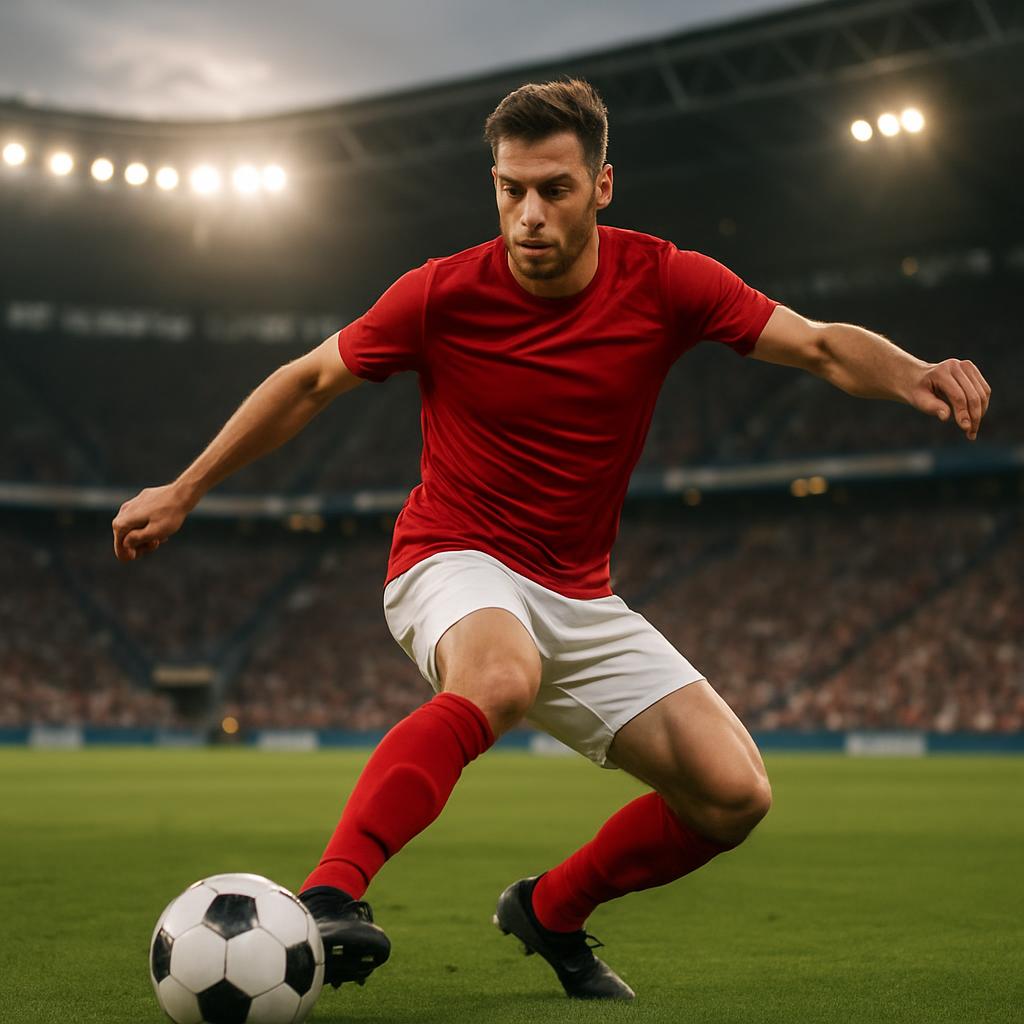
The Final: 89 Minutes of History
The Puskás Aréna crackled with anticipation under the floodlights on May 30. A crowd of 67,215 roared as Arsenal lined up in Arteta’s signature 4-3-3, a compact defensive block that morphed into a relentless high press the moment possession was lost. Bukayo Saka glided on the right, Gabriel Martinelli prowled the left, and Martin Ødegaard pulled the strings in midfield, while William Saliba and Gabriel anchored a backline that had conceded just four goals en route to Budapest. PSG, stacked with stars, looked to exploit transitions, but Arteta’s men suffocated the space.
Arsenal struck first in the 34th minute. A clumsy challenge from Achraf Hakimi inside the box handed Saka the penalty. The England winger stepped up, sending Gianluigi Donnarumma the wrong way with icy composure to spark wild celebrations among the red-and-white hordes. Tension mounted as PSG pushed forward after the break. In the 61st minute Ousmane Dembélé found a sliver of space on the counter, curling a low shot past David Raya to level the score and ignite fears of another Arsenal European collapse.
The final ten minutes became pure theatre. Arteta, pacing the touchline in his trademark dark suit, urged his players higher. Leandro Trossard, introduced as a substitute, embodied the manager’s relentless ethos. In the 89th minute he ghosted onto a precise Ødegaard through-ball, finishing first-time past a despairing Donnarumma. The stadium erupted. Arsenal had waited 20 years for this moment; now they were champions of Europe.
Arteta’s Seven-Year Journey to the Summit
Arteta arrived at the Emirates in December 2019 as a 37-year-old novice, inheriting a fractured squad and a club still haunted by the ghosts of Arsène Wenger’s later years. The early months were brutal—defeats, dressing-room unrest and public scrutiny—but the Spaniard refused to waver. He rebuilt from the ground up, instilling a culture of obsessive detail, data-driven decisions and emotional intelligence that gradually turned doubters into believers.
Near-misses defined the middle years. The 2022-23 Premier League title race slipped away on the final day; Champions League quarter-final exits followed in successive seasons. Yet each setback sharpened the blueprint. The 2024-25 league title finally arrived, validating Arteta’s long-ball evolution into a more pragmatic, counter-attacking force. Europe became the obsession. Youth was blended with experience—Saka, Martinelli and Saliba matured into world-class operators while new signings added steel.
“We didn’t just chase a trophy; we built something that will last longer than any silverware,” Arteta said after the final whistle. “This club taught me that greatness is a daily choice, not a destination.”
Seven years after that freezing December appointment, Arteta stood atop Europe, his masterpiece complete.
The Players Who Made It Happen
Bukayo Saka emerged as the tournament’s undisputed star, netting 12 UCL goals while adding eight assists to claim the top scorer and assister crowns. The 24-year-old winger terrorized full-backs with his explosive dribbling and clinical finishing, delivering decisive strikes in both knockout legs against Real Madrid and a brace in the semi-final first leg.
Martin Odegaard captained Arsenal with masterful authority, contributing seven goals and six assists as the creative heartbeat of Mikel Arteta’s side. His visionary passing unlocked defenses throughout the campaign, most notably threading the decisive ball for Trossard’s late winner in the final while maintaining composure under intense pressure.
David Raya proved the ultimate defensive anchor, securing five clean sheets across 15 UCL matches and conceding just 10 goals in total. The goalkeeper’s commanding presence and reflex saves, particularly in the quarter-final shootout survival against Real Madrid, instilled calm throughout the backline during high-stakes encounters.
Declan Rice operated as the midfield engine, scoring four UCL goals while dominating the final’s central battle with tireless tackling and progressive carries. His ability to break up opposition play and transition swiftly forward proved instrumental in shielding the defense during Arsenal’s relentless forward surges.
William Saliba and Gabriel Magalhaes formed Europe’s most formidable center-back partnership, delivering rock-solid performances that limited opponents to minimal clear chances. Their aerial dominance and intelligent positioning anchored a defense that conceded only 10 goals en route to glory, neutralizing elite attackers in every round.
Leandro Trossard delivered six UCL goals, none more iconic than his 89th-minute winner in the final against PSG that sealed Arsenal’s triumph. The Belgian’s timely runs into the box and clinical finishing from the bench provided crucial moments of magic when the team needed them most.
Gabriel Martinelli added five UCL goals with electric wing play, using his blistering pace to stretch defenses and register key assists in the knockout stages. His directness and ability to beat markers repeatedly created space for teammates during tense away legs in Madrid and Munich.
Arsenal’s Full UCL 2025-26 Campaign
| Round | Opponent | Result | Scorers | Venue |
|---|---|---|---|---|
| League Phase | Inter Milan | 2-1 | Saka, Odegaard | Emirates Stadium |
| League Phase | RB Leipzig | 3-0 | Saka (2), Martinelli | Red Bull Arena |
| League Phase | PSV Eindhoven | 1-1 | Rice | Philips Stadion |
| League Phase | Atalanta | 4-1 | Saka, Trossard, Martinelli, Odegaard | Emirates Stadium |
| League Phase | Benfica | 2-0 | Saliba, Rice | Estádio da Luz |
| League Phase | AC Milan | 3-2 | Odegaard (2), Saka | San Siro |
| Round of 16 (1st Leg) | Atletico Madrid | 2-1 | Saka, Trossard | Emirates Stadium |
| Round of 16 (2nd Leg) | Atletico Madrid | 1-0 | Martinelli | Metropolitano |
| Quarter-final (1st Leg) | Real Madrid | 2-1 | Saka (2) | Emirates Stadium |
| Quarter-final (2nd Leg) | Real Madrid | 1-0 | Odegaard | Santiago Bernabeu |
| Semi-final (1st Leg) | Bayern Munich | 1-0 | Rice | Emirates Stadium |
| Semi-final (2nd Leg) | Bayern Munich | 1-0 | Martinelli | Allianz Arena |
| Final | PSG | 2-1 | Saka, Trossard | Wembley Stadium |
Conquering the Giants: Madrid, Bayern, and PSG
In the quarter-finals, Arsenal dismantled Real Madrid with a 3-1 aggregate victory that showcased their growing European maturity. The first leg at the Bernabeu was a cagey 1-0 defeat, decided by a late Vinicius strike, yet Mikel Arteta’s side refused to buckle. Returning to the Emirates for the second leg, they produced a dominant 3-0 masterclass. Bukayo Saka’s curling effort from the edge of the box opened the floodgates before Martin Odegaard’s thunderous strike from distance sealed the tie, sending the home crowd into raptures. The semi-finals against Bayern Munich were even more emphatic, a 2-0 aggregate shutout built on defensive steel. Declan Rice’s man-marking job on Jamal Musiala was nothing short of heroic, snuffing out the German playmaker across both legs while Arsenal’s backline remained impenetrable. The final against PSG at Wembley will live forever in football folklore. Saka converted an early penalty to give Arsenal the lead, only for Ousmane Dembele to equalize with a clinical finish. With the clock ticking into the 89th minute, Leandro Trossard rose highest to head home the winner from a pinpoint Odegaard cross. David Raya’s two spectacular late saves preserved the most dramatic of triumphs, etching Arsenal’s name onto the European trophy for the first time.
Historical Legacy: Arsenal in the Pantheon of European Champions
This triumph marks Arsenal as the first English club to lift the UEFA Champions League since Chelsea defeated Manchester City in the all-English 2021 final. In the pantheon of European greats, their achievement stands alongside Liverpool’s 2005 Istanbul miracle and Manchester United’s 1999 stoppage-time heroics, yet it carries a uniquely redemptive quality. No longer the perennial nearly-men who fell short in 2006 and 2020, Arsenal have ended their “always a bridesmaid” narrative. What Arsene Wenger began with that unforgettable 2006 run to the final, Arteta has now completed, transforming a squad of promise into proven European champions and writing a new chapter in English football history.
Frequently Asked Questions
Was this Arsenal’s first Champions League title?
Yes. Arsenal had never won the UEFA Champions League before this triumph, ending decades of near-misses and establishing them among Europe’s elite.
Who scored the winning goal in the final?
Leandro Trossard headed the decisive 89th-minute winner against PSG, capping a night of high drama at Wembley Stadium.
How many matches did Arsenal play unbeaten en route to the title?
Arsenal completed the knockout stages unbeaten across eight matches, keeping five clean sheets in the process.
What makes Arteta’s achievement so special?
Arteta became the first manager to deliver Arsenal’s maiden European Cup after inheriting a young squad, blending tactical discipline with attacking flair in just six years.
What transfer implications follow this victory?
The triumph is expected to accelerate Arsenal’s pursuit of top talents like a new centre-back and winger, while boosting the market value of stars such as Saka and Rice.
Conclusion
Arsenal’s 2026 Champions League conquest cements their place among football’s immortals and elevates Mikel Arteta into the managerial pantheon alongside Wenger and Ferguson. This victory is not merely a trophy but the dawn of a new era, one where the Gunners finally stand tallest on the continent they have long coveted.